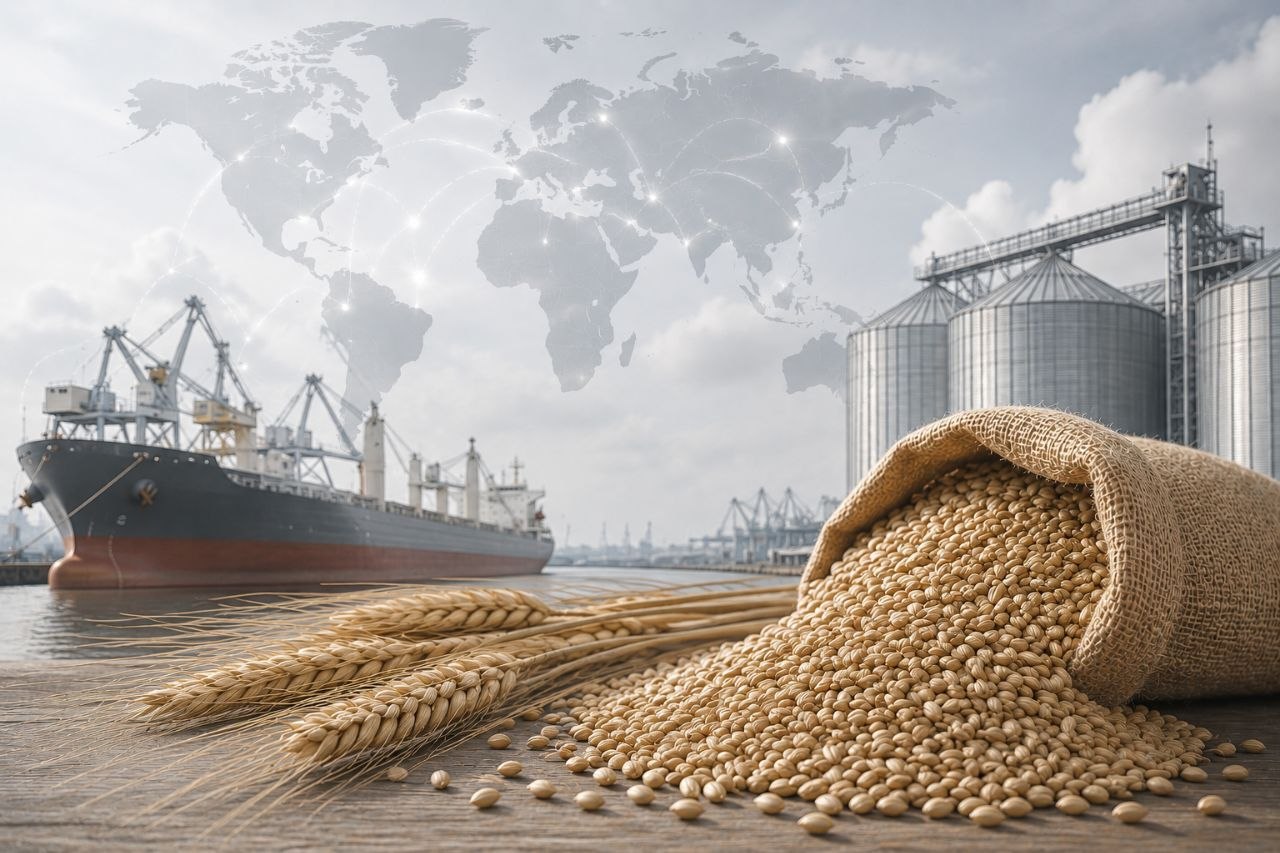
Ячмень по праву занимает одно из ключевых мест в российском агроэкспорте. Являясь одной из самых популярных зерновых культур в мире, в последние годы он демонстрирует впечатляющую динамику на внешних рынках. В 2024 году Россия впервые вышла на первое место в мире по экспорту ячменя, обогнав Австралию и Евросоюз. Учитывая растущий мировой спрос и внутренний производственный потенциал, российский рынок ячменя открывает стратегические перспективы для экспортёров, импортеров и иностранных инвесторов.
Мировой рынок ячменя: масштаб и ключевые цифры
Мировое производство ячменя составляет порядка 140–155 млн тонн в год. Около трети страны-производители отгружают на экспорт. Главные покупатели — страны Ближнего Востока, Северной Африки и Азиатско-Тихоокеанского региона: им нужны фуражное зерно и сырьё для пивоварения.
Общий объём мировой торговли зерном в сезоне 2023/2024 превысил 507 млн тонн. На долю России пришлось около 27% рынка ячменя — больше, чем у любого другого поставщика.
Россия — в тройке мировых лидеров по экспорту ячменя
В сезоне 2023/2024 объём экспорта ячменя из России достиг рекордных 9,46 млн тонн ячменя — рост на 67% к предыдущему году.
Структурные преимущества страны очевидны. Посевные площади под ячменём — около 7–8 млн га ежегодно, один из крупнейших показателей в мире. Выращивание ячменя в России обеспечивает как внутренние потребности, так и потенциал для экспорта. При этом продукция дешевле австралийской и канадской.
Сельхозгод 2024/2025 оказался трудным: неурожай и сокращение посевных площадей привели к падению экспорта до 3,6–4,6 млн тонн — самое заметное снижение среди зерновых культур. Урожай 2024 года составил 16,7 млн тонн против 21,1 млн тонн годом ранее. Однако уже 2025-й показал восстановление: по итоговым данным Росстата, урожай ячменя в России составил 19,7 млн тонн (+18%). По итогам 2025 года страна экспортировала около 5 млн тонн и заняла третье место в мире — об этом сообщила глава Минсельхоза РФ Оксана Лут в январе 2026 года.
Динамика цен на российский ячмень 2015-2025 гг.
За последние 10 лет цены на ячмень в рублях выросли примерно в 2 раза (с ~8 600 руб./т в 2015 году до ~17 500 руб./т в 2025 году). При этом динамика была крайне неравномерной.
Основные ценовые скачки происходили в валютно-зависимые периоды, особенно в 2022 году, когда внутренние цены подскочили из-за резкого ослабления рубля, а также локальных факторов роста спроса на фуражное зерно.
Наибольший разброс показателей традиционно наблюдается между весенним и осенним периодами (после уборки урожая цены снижаются). Для долгосрочных контрактов важно ориентироваться не только на среднегодовые значения, но и на сезонную динамику.
2025 | █████████████████████████████████████ (17 500 ₽)
2024 | ██████████████████████████████████ (16 500 ₽)
2023 | █████████████████████ (10 500 ₽)
2022 | █████████████████████████████ (14 500 ₽)
2021 | ██████████████████████████ (13 400 ₽)
2020 | ███████████████████ (9 500 ₽)
2019 | █████████████████████ (10 500 ₽)
2018 | █████████████████████ (10 500 ₽)
2017 | █████████████████ (8 300 ₽)
2016 | ███████████████ (7 500 ₽)
2015 | ██████████████████ (8 600 ₽)
+——-+——-+——-+——-+——-+——-+
5 000 10 000 15 000 20 000 25 000 30 000 руб./тонна
*В таблице представлены усредненные значения
Сорта российского ячменя
Для международных закупок тип зерна принципиален. Производство охватывает несколько ключевых категорий:
- Пивоваренный — высокое содержание крахмала, низкий белок. Востребован пивоварнями Китая и Европы.
- Фуражный — главный продукт для вывоза. Закупается для кормления поголовья: крупного рогатого скота, свиней, птицы.
- Голозёрный — повышенный белок и клетчатка, ниша функционального питания и фармацевтики.
- Яровой — преобладающий тип в отечественном производстве; именно он поставляется в Китай, пока переговоры об озимых сортах продолжаются.
Разнообразие сортов позволяет покупателю подобрать нужный вариант под конкретную задачу — будь то пивоварня в Гуанчжоу или зерновой трейдер в Эр-Рияде.
Применение: от пива до фармацевтики
Пивоварение — крупнейший потребитель пивоваренного ячменя в мире. Через стадию солода зерно превращается в сусло и готовый напиток. Мировая пивная индустрия потребляет десятки миллионов тонн солода ежегодно, и спрос продолжает расти вместе с премиальным сегментом.
Производство кормов — один из главных драйверов экспорта ячменя. Спрос на него напрямую зависит от конъюнктуры на рынке кукурузы. По питательности зерно близко к кукурузе, но нередко дешевле, поэтому страны с развитым животноводством используют её как замену кукурузе в рационах.
Помимо этого, из зерна получают перловую и ячневую крупу, солод для виски и кваса, а также бета-глюкан — природное вещество, снижающее холестерин, которое применяется в биологически активных добавках.
Где выращивают российский ячмень: ключевые регионы
Краснодарский край и Ставрополье — главные «ворота» на внешние рынки: продукция отгружается через черноморские и азовские порты в страны Ближнего Востока и Африки. Поволжье обеспечивает вывоз и на внутренний рынок, и по западным маршрутам. Сибирь стала ключевым источником поставок в Китай: маршрут через Забайкальский терминал в Маньчжурию географически выгоден. Центральный федеральный округ — традиционный производитель с фокусом на переработку внутри страны.
Крупнейшие импортёры российского ячменя
Саудовская Аравия — исторически главный покупатель: собственного зерна почти нет, а животноводство требует больших закупок. В рекордном сезоне 2023/2024 королевство лидировало по закупкам. Иран, Алжир, Иордания, Оман и Тунис — стабильные торговые партнёры, ряд из которых кратно нарастил поставки за последние два года. К покупателям присоединилась и Южная Корея: импорт зерна вырос в 2024 году в 130 раз до исторического максимума.
Китай: пивоварение, корма и долгосрочное партнёрство
Китай ежегодно импортирует 10–12 млн тонн ячменя при собственном производстве около 2,3 млн тонн. Зависимость от внешних закупок — структурная. Пивоварни, особенно на восточном побережье, предпочитают импортное зерно из-за стабильного качества, и этот спрос устойчив. По фуражному направлению закупки масштабнее, но волатильнее. Пик экспорта ячменя здесь приходится на периоды, когда кукуруза на внутреннем рынке КНР дорожает.
В первой половине 2024 года Китай увеличил закупки ячменя из России в 6,4 раза — до 423 тыс. тонн, в стоимостном выражении — до $100 млн. В ноябре 2025-го объём снова достиг максимума с начала 2024 года: Россия вернулась в пятёрку главных поставщиков КНР.
Инфраструктурная база укрепляется. В октябре 2023 года подписан 12-летний контракт на поставку 70 млн тонн зерна в Китай на сумму $25,7 млрд. В 2025 году Россельхознадзор открыл поставки нескольких новых продуктов, включая злаковые хлопья с ячменём. Конкуренция с Австралией сохраняется, однако отечественный поставщик последовательно укрепляет позиции.
Как купить ячмень из России: условия поставки
Основные логистические маршруты: черноморские и азовские порты для Ближнего Востока и Африки (7–20 дней), железная дорога через Забайкальск для Китая (около 20 дней). Расчёты ведутся в рублях, юанях или через банки третьих стран. Экспортная пошлина плавающая: базовая цена отсечения — 15 900 рублей за тонну (скорректирована в июль 2024 года в сторону снижения).
Найти проверенного поставщика ячменя в России помогает платформа G2R. Для этого стоит отправить запрос в соответствующей карточке товарного направления. С вами свяжется менеджер и уточнит все нюансы.
Платформа поможет также с проверкой контрагента в России, проведением платежей, логистикой и таможенным оформлением. Вам останется только получить товар в вашем городе.
Перспективы до 2030 года
По стратегии развития зернового комплекса России, к 2030 году сбор зерна должен вырасти до 170 млн тонн, а вывоз зерна — до 80 млн тонн. Уже в 2026 году экспортный потенциал страны по зерновым культурам оценивается Минсельхоза в 55 млн тонн. Рост экспорта ячменя в Китай до 1 млн тонн в год при условии открытия рынка для озимого сорта.
Период 2025/2026 должен принести дальнейший рост: аналитики прогнозируют экспорт ячменя из России на уровне 5–6 млн тонн. Восстановившийся урожай, развивающаяся логистика и расширяющийся список покупателей за рубежом — реальная база для этого сценария.
Рынок экспорта ячменя открывает широкие возможности для участников.
- Для производителей: Рост мировых цен и экспортных квот делает производство ячменя высокомаржинальным.
- Для экспортёров и трейдеров: Расширение географии поставок (Китай, возобновление поставок в Египет, Ливан, Тунис) открывает новые рынки сбыта.
- Для инвесторов: Инвестиции в логистическую инфраструктуру (элеваторы, портовые мощности), селекцию и глубокую переработку ячменя (солод, крупы, корма) являются стратегически перспективными.
Прогнозы роста рынка ячменя выглядят перспективными:
- Сезон 2025/26 обещает быть успешным. Высокий урожай и растущий спрос позволят загрузить новые логистические мощности.
- Ключевой драйвер — наращивание поставок в Китай, чей спрос на ячмень как на кормовую культуру будет расти.
- Долгосрочная перспектива до 2030 года: Здесь мнения экспертов разделяются. С одной стороны, правительство РФ ставит амбициозную задачу: к 2030 году производство продукции АПК должно вырасти на 25%, а её экспорт — на 50%. С другой стороны, есть прогнозы (например, по модели ARIMA), согласно которым к 2030 году экспорт ячменя может сократиться до 88,77% от уровня 2024 года. Снятие этого противоречия возможно только при диверсификации рынков и перехода от экспорта сырья к экспорту продуктов с высокой добавленной стоимостью.
- Глобальный тренд: Среднегодовой темп роста мирового рынка ячменя до 2032 года составит около 4,7%. Россия имеет все шансы занять в этом росте свою нишу.
Таким образом, российский ячмень — полноценный глобальный экспортный продукт. Страна — стабильный и конкурентоспособный поставщик. Для международного покупателя это надёжная база для долгосрочных закупок — под любую задачу: пивоварение, откорм поголовья или пищевая переработка.