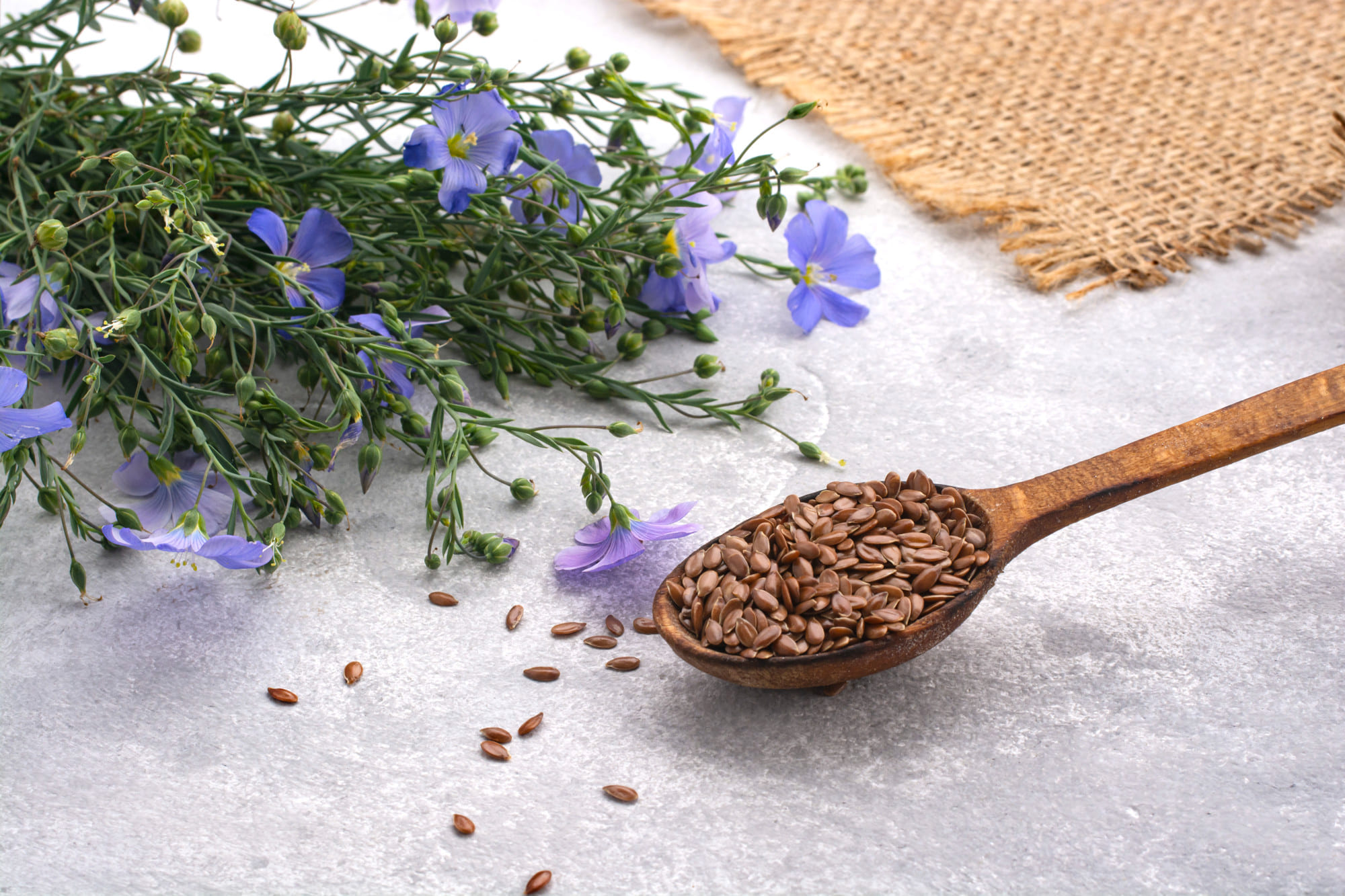
Flaxseed is one of the oldest and most popular products in the world, possessing high ecological and nutritional potential. Russia has traditionally held one of the leading positions in the world in the production and export of flax. This is facilitated by climatic conditions, fertile lands of most regions, as well as a developed agricultural sector.
Russia has historically been one of the largest producers of flaxseed. During Soviet times, production volumes reached significant figures. After the collapse of the USSR, production volumes were assessed as less stable. Since the early 2000s, there has been a growing trend of interest in cultivation and export to foreign markets.
Volume of the Russian Flax Market
Flax is a crop that requires specific climatic and soil conditions. In Russia, the regions most suitable for flax cultivation are predominantly those with a moderately continental climate, good fertile soil, and well-developed infrastructure for transshipment and storage.
Thus, in the Central Federal District, the traditional leaders in flax acreage are the Tambov, Kursk, and Voronezh regions. These territories are distinguished by rich soil and a favourable climate for flax cultivation. In recent years, the region has demonstrated consistently high yields (approximately 14–16 centners/hectare).
The Southern Federal District — the Rostov Region and Krasnodar Territory — is actively increasing its flax cultivation volumes. Since the climate here is drier, farmers are forced to sow special varieties and use irrigation systems.
In the Siberian Federal District, the leaders in flaxseed cultivation are the Tomsk, Novosibirsk, and Omsk regions. In the Far Eastern Federal District — the Amur Region and Primorsky Territory.
In the early 2000s, flax yields in Russia remained relatively stable in the range of approximately 8–10 centners/hectare. At that time, not all farms had yet transitioned to modern agricultural technologies and high-grade seeds.
In 2011–2015, farmers began sowing fields with new flax varieties, used modern soil cultivation methods, fertilizers, and pesticides. During this period, the average yield reached 12–14 centners/hectare.
The growth in yields continued in 2016–2023. Peasant farming enterprises began introducing digitalization, new technologies, and expanding their sown areas. In 2020–2022, yields in certain regions reached 15–16 centners/hectare and above.
A new yield record was set as early as 2024. Compared to 2023, the growth was approximately 17%. At the same time, the sown areas were expanded to 1.67 million hectares. The average yield was 0.84 tonnes/hectare, and the leaders in flaxseed harvesting were the Altai Territory, the Omsk, Kurgan, Rostov, and Chelyabinsk regions.
In 2025, the volume of flaxseed harvested amounted to 1,609 thousand tonnes. According to a study by «AB-Centre,» this figure exceeded the 2024 data by 195.3 thousand tonnes.
It is worth noting that flax yields in Russia will only continue to grow. We can see that in recent years there has been an increase in sown areas and the introduction of new technologies, which is leading to higher yields. Thus, in 2024 the volume of sown areas amounted to 1.67 million hectares, and in 2025 it is already 1.9 million hectares. In the future, an expansion of cultivation is expected through the development of new regions and the use of high-yielding varieties.
Export of Flaxseed to World Markets
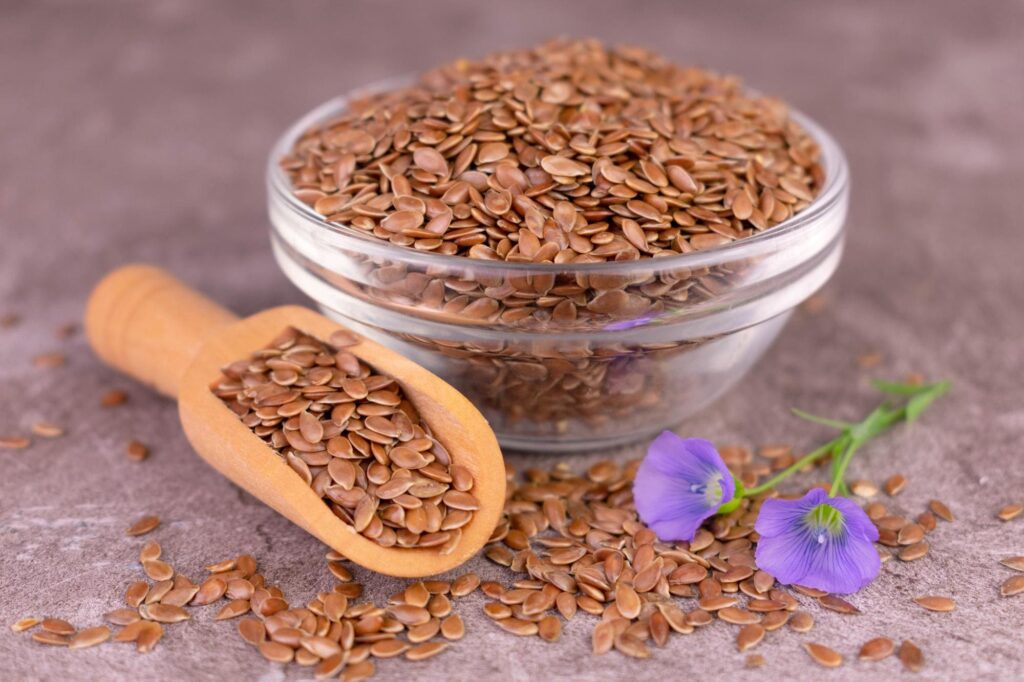
In recent years, demand for flaxseed has grown due to the increase in its use in the field of healthy nutrition, cosmetics, and textile production. Russia is one of the largest suppliers of flaxseed on the world market.
Approximately 90% of the export volume of Russian flaxseed goes to China. In 2025, the Middle Kingdom purchased approximately 919,704 tonnes of the crop for a total of $378,927.9 thousand.
In the Middle Kingdom, flax has traditionally been used not only as a source of oil, but also as a component of folk medicine and nutrition. Flaxseed in Chinese medicine is considered a product with many beneficial properties: it strengthens the intestines, improves digestion, and promotes the cleansing of the body. In traditional Chinese cuisine, it is added to drinks, soups, and baked goods, and is sometimes used as part of medicinal blends.
In addition, flaxseed is actively purchased by Vietnam, Belgium, Turkey, European countries, Bangladesh, Saudi Arabia, and EAEU member states.
In the countries of Southeast Asia and India, flaxseed is gaining popularity thanks to its nutritional and medicinal properties. In India, flax is used in vegetarian cooking and in Ayurvedic healing practices. There, it is added to porridges, vegetable dishes, drinks, and desserts.
In general, in Asian countries the significance of flaxseed is associated with its beneficial effects on health, as well as in the context of traditional dietary practices aimed at maintaining a balance of energy and health.
Flaxseed is also in demand in the CIS countries. Here, flax consumption is of a historical nature. Flax has traditionally been used in agriculture, the textile industry, and above all in nutrition. Flaxseed is valued for its richness in omega-3 fatty acids, dietary fibre, and lignans, which makes it a popular health-promoting product.
In these countries, flaxseed is actively used in home cooking: it is added to porridges, baked goods, yoghurts, smoothies, and salads. In recent years, in connection with the growing popularity of a healthy lifestyle and natural products, the consumption of flax has increased significantly. A special culture of consumption is associated with traditional recipes, as well as with modern trends towards the integration of flaxseed into the diet to boost immunity and prevent disease.
Prices for Russian flaxseed are competitive on the world market. In 2025, according to Rosstat data excluding VAT, the cost per tonne was 29,161 roubles.
However, it is worth noting that in October 2025 the Russian government introduced a temporary export duty on the export of oilseed flax outside the EAEU for a period until August 2026, at a rate of 10% of the customs value. The goal is to stimulate the utilisation of flax processing capacities, as well as to support the balance between domestic consumption and exports.
Given that demand for natural products on the world market continues to increase, Russia — thanks to its natural wealth and production capabilities — has good prospects for occupying a significant share of this market. To achieve this, the country needs to increase technological efficiency, introduce modern agricultural technologies, and develop logistics infrastructure to ensure export deliveries.
Advantages of Russian Flaxseed
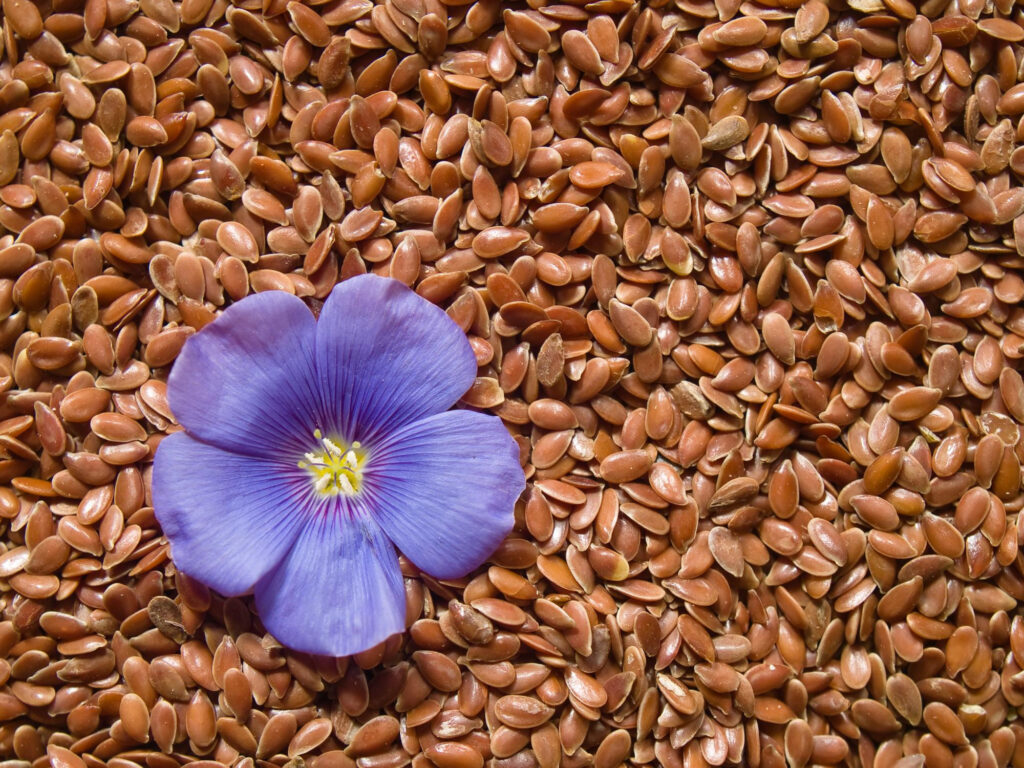
According to Roskachestvo data, flaxseed grown in Russia is distinguished by high oil content, lignan content, and omega-3 fatty acids. This is very important for the food industry, the production of supplements, and pharmaceuticals.
The competitiveness of the seeds is also influenced by the responsible attitude of Russian farmers, who apply ecological methods. In addition to all this, Russian flaxseed is not only certified in accordance with international standards, but also receives Organic certification, confirming the ecological purity of the product.
Flaxseed is rich in B-group vitamins, A, E, C, and microelements such as: potassium, magnesium, iron, zinc.
Potassium participates in the functioning of the nervous system and muscle contraction, which is why it is so important for heart health. It maintains the body’s water balance, normal blood pressure, and blood sugar levels.
Magnesium is essential for bone development and muscle function, and the proper functioning of the nervous system.
Iron participates in haematopoiesis and ensures the supply of oxygen to tissues and organs.
Zinc is needed for muscle growth and recovery, promotes wound healing, helps the immune system fight bacteria and viruses, improves digestion, and regulates hormone production. Scientists associate increased cravings for sweets with zinc deficiency, since this element improves the sensitivity of cells to insulin.
Such a rich composition makes flaxseed an invaluable source of health and longevity.
Opportunities for Foreign Investors in the Russian Flaxseed Market
In the context of growing global demand for natural products, biotechnology, and ecological materials, the Russian flaxseed market demonstrates significant potential and investment advantages for foreign investors wishing to enter this promising sector.
High export potential. Russia occupies leading positions in the export of flaxseed to countries in Europe, Asia, and the Middle East. The increase in global demand for natural fabrics and flax-based products creates stable demand.
State support. Within the framework of state support for the agricultural sector, Russia implements programmes of lending, subsidisation, and agricultural production development, which reduces risks for investors.
Access to raw materials. Large areas under flax cultivation and the introduction of modern technologies make it possible to ensure stable production of high-quality products.
Opportunities for technological development and branding. Foreign investors can participate in innovative projects to expand the product range, develop biotechnologies, and create brands of ecologically clean products.
Despite the prospects, investors must take into account certain risks associated with price fluctuations, exchange rates, logistical issues, and the regulatory specifics of Russia. Diversification of sales channels and a careful study of regional characteristics are also important.
Tips for foreign investors from the G2R platform:
- Study the specifics of Russian agricultural legislation and export requirements.
- Establish partnership relations with local agricultural companies and scientific institutions.
- Consider the possibilities of joint ventures and technology exchange.
- Pay attention to environmental standards and product certification to expand access to European and world markets.
Thus, the flaxseed market in Russia represents an attractive platform for foreign investment thanks to its raw material base, export opportunities, and state support. With the right approach and a thorough study of the market’s characteristics, it is capable of becoming a profitable and sustainable direction for investment in the agricultural sector with a long-term growth prospect.
The G2R platform helps foreign buyers and investors find verified and reliable suppliers of products and partners for organising long-term and mutually beneficial cooperation. To place an order, select the appropriate product direction card and submit an application — a personal manager will contact you and provide consultation on any questions of interest.