Processed Wood Products and Opportunities for International Buyers and Investors
Timber remains one of the key raw material resources of the global economy. It is used in construction, the furniture industry, infrastructure projects, and packaging production. The growth of construction and the transition towards environmentally friendly materials are increasing demand for timber in many countries. Russia occupies a leading position in this market. Its forest area amounts to approximately 815 million hectares — roughly 20% of the world’s forest resources. This makes Russia the largest forested nation in the world and one of the most important suppliers of timber to the international market.
Today, Russian timber is actively imported by countries in Asia, the Middle East, and Europe. China remains the largest buyer of Russian sawn timber; however, international construction, furniture, and industrial companies are also showing growing interest in Russian wood. At the same time, the modern market structure is gradually changing. The processing of timber and the production of high added-value products are becoming increasingly significant.
Russia as the World’s Largest Forest Resource
Russia possesses the largest forest area on the planet. The total timber stock is estimated at approximately 80 billion cubic metres. This resource base creates long-term advantages for the international market:
The Largest Forest Reserves. Russia holds the world’s largest forest reserves, which ensures a stable raw material base for long-term supplies of wood products.
High Timber Quality. The cold climate promotes slow tree growth. As a result, the wood has a dense structure and high strength, which is particularly valued in construction and furniture production.
Diversity of Species. The most in-demand timber species are:
- Pine
- Spruce
- Larch
- Birch
Coniferous species are actively used in construction and the production of wooden structures, while birch is the primary raw material for plywood production.
Main Processed Wood Products from Russia
International trade in Russian timber today is increasingly focused on processed products rather than raw materials. The most in-demand categories include:
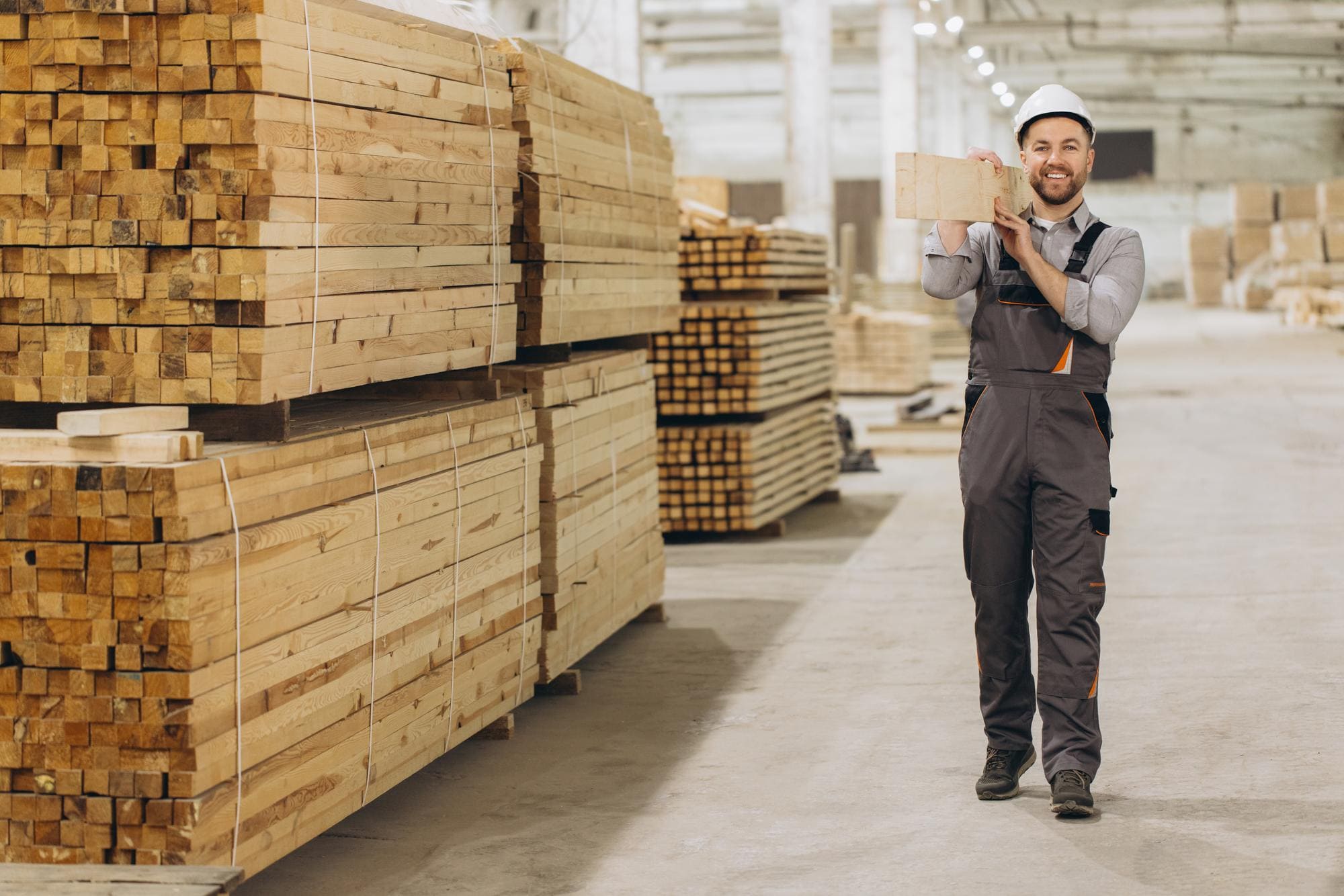
Sawn Timber (HS 4407). The main export product of the Russian wood processing industry. Sawn timber is widely used in construction, packaging, and the production of wooden structures.
Birch Plywood (HS 4412). Russia is one of the world’s largest producers of birch plywood. This product is used in construction, the furniture industry, and the transport sector.
Planed Timber and Construction Elements. Used in house construction, furniture production, and architectural projects.
Glued Timber Structures. A modern segment of wooden construction that is actively developing in Europe and Asia.
Furniture Blanks and Components. Used by international furniture and wood product manufacturers.
On the G2R platform, buyers from China and other countries can purchase high-quality processed timber from Russia in small volumes. If you have a large order that can be divided among Russian suppliers or small processing enterprises, we will help consolidate your items for shipment. To do this, select the relevant product direction card on the platform and instruct the G2R team to find a reliable and verified supplier in Russia for you.
Main Timber Production Regions
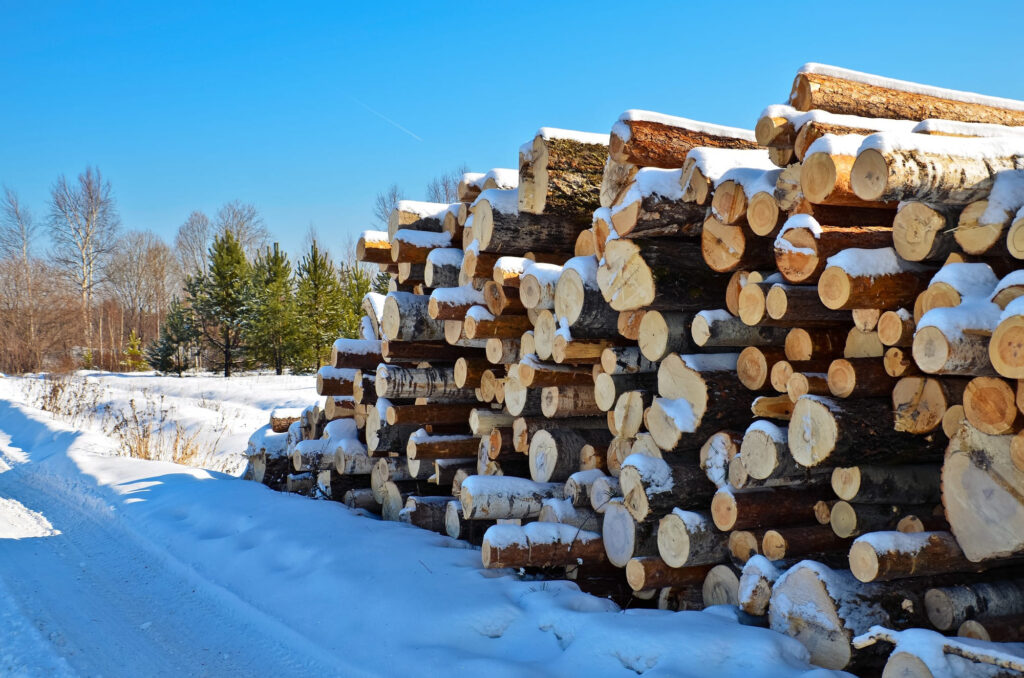
Russia’s forest industry is concentrated in several key regions.
Siberia. One of the world’s largest sources of coniferous timber. The main regions are the Irkutsk Oblast, Krasnoyarsk Krai, and Tomsk Oblast.
The Far East. A strategically important region for timber exports to Asian countries, including China, Japan, and South Korea.
The European Part of Russia. This is home to large deep wood processing enterprises, including plywood and construction material production. These regions account for a significant share of international shipments of Russian wood products.
China as the Largest Importer of Russian Timber
China is the world’s largest importer of timber and one of Russia’s key partners in the forestry sector. According to industry estimates, more than 60% of Russian sawn timber exports are directed to the Chinese market.
Russian timber is actively used in:
- Construction
- Furniture production
- The manufacture of wooden structures
- The production of packaging materials
Thanks to geographical proximity and a large-scale resource base, Russia remains one of the most competitive timber suppliers for the Chinese market.
Opportunities for International Buyers
International companies can cooperate with Russian producers in several formats.
Direct Product Import. Companies purchase sawn timber, plywood, and other wood products directly from Russian producers.
Contract Manufacturing. Russian enterprises can manufacture products in accordance with the specifications of international clients. The advantages of this option include: cost reduction, optimisation of production processes, flexibility and scalability, access to technologies, and a reduction in product launch lead times.
Long-Term Contracts. Many international companies conclude long-term supply contracts for wood products to ensure stable deliveries. Such cooperation is beneficial for the customer. Firstly, the contract guarantees supply stability. Secondly, long-term cooperation makes it possible to plan production, optimise the supply process, and reduce the cost of goods.
Investment Opportunities in the Wood Processing Industry

In addition to timber trading, interest in investment in wood processing is growing. The main investment models include:
Joint Ventures. Establishment of enterprises for wood processing and construction material production.
Acquisition of Operating Enterprises. An investor may acquire a wood processing enterprise and gain access to production capacities and a raw material base. Organising the sale of products on Russian territory will be easier.
The Management Company Model. The investor owns the asset, while operational management is transferred to a professional management company that conducts local operational activities and provides reports. This model makes it possible to reduce operational risks and accelerate project launches.
These models make market entry more flexible and attractive for international investors.
Market Development Prospects
Global demand for timber continues to grow. The main market drivers are:
- Growth in construction
- Development of environmentally friendly materials
- Urbanisation and infrastructure projects
- Growth in wood material consumption in Asia
According to industry estimates, the global wood materials market will continue steady growth in the coming years. In 2025, the global market volume was estimated at $532.5 billion. Given that the average annual growth rate, according to data from Coherent Market Insights experts, may amount to approximately 2.3%, growth to $626 billion is forecast by 2032.
At the same time, Russia’s share of the overall global market amounts to approximately 5%. For Russia, this means new opportunities in the development of wood processing and the expansion of international cooperation. Timber exports from Russia continue to grow, and in 2025 compared to 2024 they increased by 5% (24 million cubic metres and 22.7 million cubic metres respectively). At the same time, the geography of supplies has reoriented towards friendly countries. The lion’s share of Russian timber exports falls to China. In addition, Uzbekistan, Kazakhstan, Kyrgyzstan, Egypt, Turkey, and Iran are also willing buyers of timber from Russia.
Experts forecast a number of challenges facing the industry. Among them: rising prices, price differences across timber species, logistical problems, and environmental factors.
Conclusion
Russia was and remains the world’s largest forested nation and an important participant in the international timber market. Vast forest resources, a developed wood processing industry, and growing demand from international markets create significant potential for the further development of the sector.
For international companies, Russian timber opens up opportunities not only for trade, but also for investment in processing and the development of joint projects. Foreign investors and entrepreneurs can begin building long-term projects in Russia and launch not only timber import projects, but also redistribute production processes and trade.
On our platform, international buyers and investors can find Russian wood product manufacturers, discuss the terms of cooperation, and explore new projects in the wood processing industry.