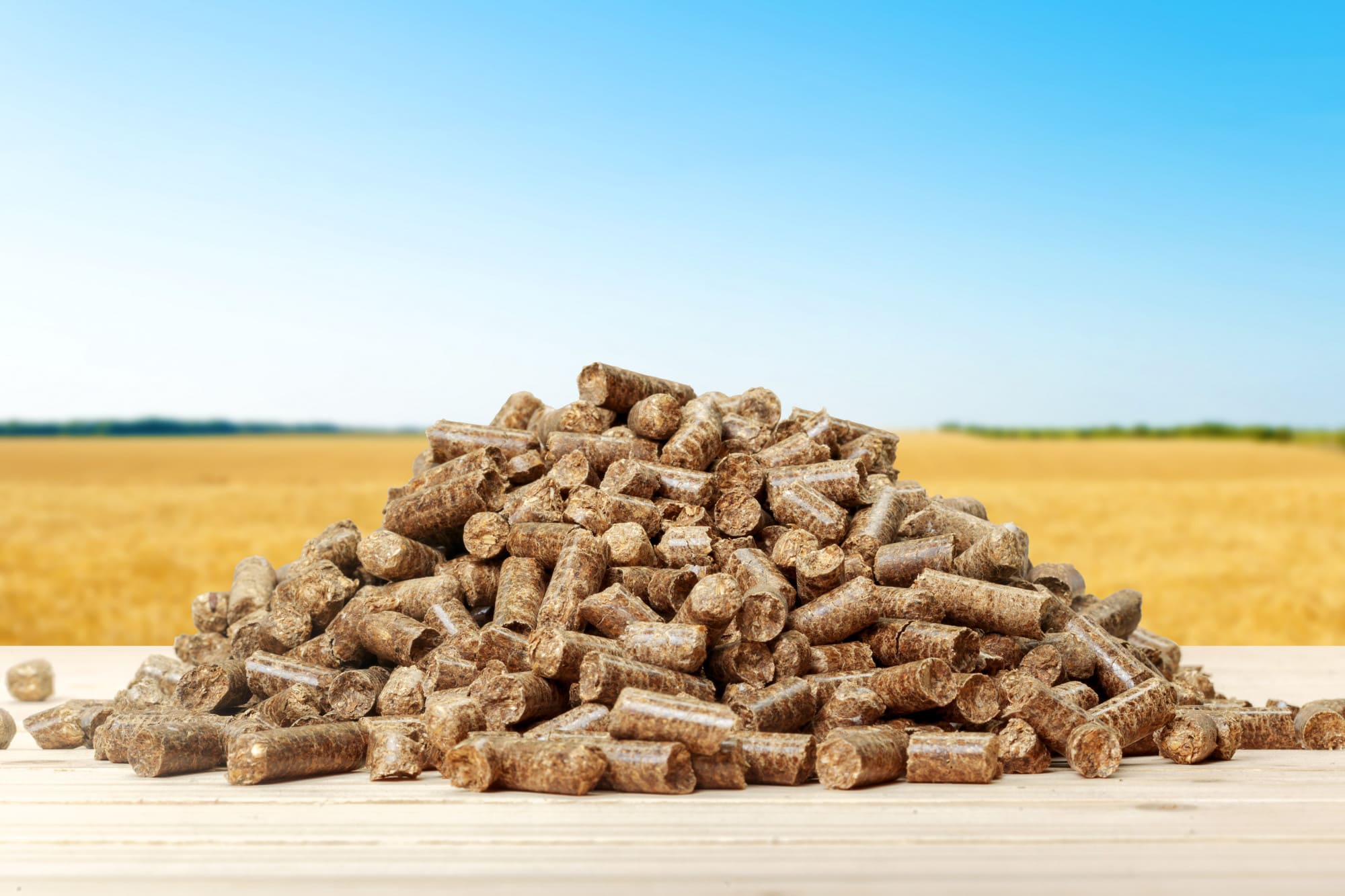
When it comes to livestock farming, most people think first of meat, milk, or eggs. Yet behind the quality of these products stands an entire industry — the production of feed and specialised additives. Russia, with its powerful raw material base and developing manufacturing sector, is gradually transforming from a net importer into a supplier of feed products on the international market.
Why does this matter for foreign buyers? The answer is simple: Russian producers offer competitive prices alongside solid quality, and geographical proximity to Asian markets makes logistics advantageous. In this article we will examine what the domestic feed sector looks like and what opportunities it opens up for international business.
The Global Feed Additives Market: Volume, Dynamics, and Russia’s Place
The global feed additives market turns over tens of billions of dollars annually. According to various analysts’ estimates, its volume ranges from 25 to 58 billion US dollars — the spread is related to differences in calculation methodology. Some count only specialised additives, while others include premixes and integrated feed solutions.
However, the trends matter more than the absolute figures. The market is growing at 4–6% per year, and the drivers of this growth are clear: rising global consumption of animal protein, increasingly stringent requirements for the quality of meat and dairy products, the prohibition of antibiotics as growth promoters in many countries, and the development of aquaculture.
The Asia-Pacific region dominates consumption — it accounts for around one third of global demand. China, India, and the countries of Southeast Asia are increasing their livestock and poultry numbers, which means they need quality feed solutions.
Where does Russia fit in this picture? Until just a few years ago — predominantly on the buyers’ side. In 2021 and right up to 2022, domestic enterprises purchased the lion’s share of amino acids, vitamins, and enzymes abroad. The situation, however, is changing. At the close of 2025, Russian compound feed plants produced 37 million tonnes — 1% more than the previous year. Fish feed production reached 105,900 tonnes, showing growth of 13.5%.
The Russian pet food market is valued at 564 billion roubles, with domestic producers accounting for approximately 83% of volume in physical terms. The monetary turnover of feed additives for animals exceeded 3.7 billion roubles as early as 2024 and continues to grow. The country is gradually integrating into global supply chains — according to Rosselkhoznadzor data, from Krasnodar Krai alone, more than 270,000 tonnes of feed and feed additives were inspected for export in the first nine months of 2025.
Advantages of Russian Feed Additives: Raw Material Base, Quality, Innovation
Competing in the global market without clear advantages is impossible. Russian producers have them, and here are the main ones.
Raw material security. Russia is one of the world’s largest exporters of grain and oilseed crops. Wheat, barley, soya, sunflower, rapeseed — all of this is raw material for the production of feed and feed components. In 2024, the output of oilseed cake and solid plant oil residues reached 14.7 million tonnes — a maximum over the five-year period. Sunflower cake accounts for 54% of the production structure, soya cake for 33%, and rapeseed cake for 12%. Such a raw material base allows for the formation of a competitive cost price. When grain is grown in the same country where it is processed, logistics costs are minimal.
State support. From 2025, Russia is implementing the national project «Technological Provision of Food Security.» One of the federal projects directly concerns the production of critically important enzymes and feed additives. The goals are ambitious: by 2030, to bring self-sufficiency in amino acids to 85% (from 38% in 2023), in organic acids and feed vitamins — to 40% from zero. An export objective is also set — the supply of 15,000 tonnes of domestically produced enzymes, food and feed additives abroad. From 1 September 2024, a law came into force allowing producers of feed and additives to receive state support measures — concessional loans and direct budget allocations. This stimulates investment in the sector.
Localisation of high-technology production. For lysine — a key amino acid — Russian enterprises already provide a significant share of domestic consumption. The companies «Premix Plant No. 1» and «Aminosib» control more than 60% of the domestic lysine market. For methionine, localisation reaches approximately 50%.
Veterinary control and standards compliance. Products are inspected by Rosselkhoznadzor, ensuring compliance with the requirements of both the EAEU and many importing countries. For supplies to China, enterprises register with the General Administration of Customs of China and obtain licences from the Ministry of Agriculture of China.
On the other hand, it must be acknowledged that in a number of categories Russia still depends on imports. Around 80% of vitamins are brought in from abroad, primarily from China. However, this creates niches for investment — companies willing to localise production will gain advantages.
Types of Feed Additives and Their Areas of Application in Livestock Farming
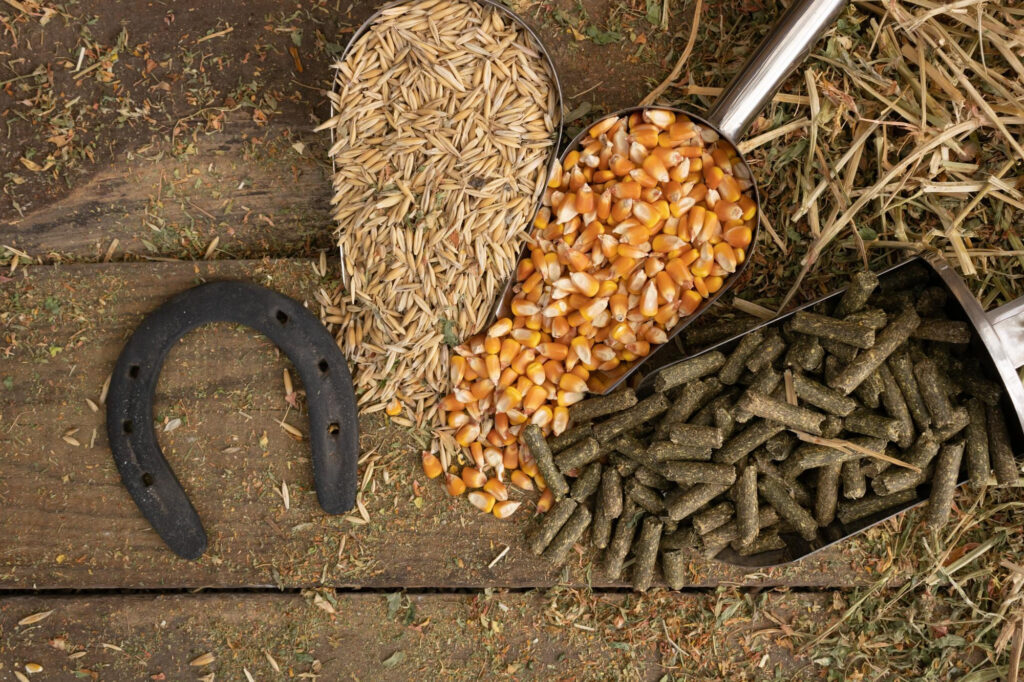
What exactly is included in the concept of «feed additives»? It is not simply vitamins, as might appear at first glance. According to a decree of the Government of the Russian Federation, feed additives are substances that enrich the nutritional balance of animals’ diets, improve feed absorption, increase productivity, or normalise metabolism.
The Russian classification identifies several main groups.
Amino acids and their compounds. Lysine, methionine, threonine, tryptophan — the building blocks of protein. Normal growth of muscle mass in animals is impossible without them. Lysine is particularly important for pigs and poultry, methionine — for poultry farming. According to various estimates, imports of feed amino acids into Russia in 2024 amounted to between 142,000 and 158,000 tonnes.
Vitamins. Fat-soluble (A, D, E, K) and water-soluble (B group, C). Choline chloride is one of the most in-demand products in this category. The volume of feed vitamin imports in 2024 was approximately 32,000 tonnes — 5% higher than the previous period.
Enzyme preparations. They help animals digest complex feed components — fibre, phytates, non-starch polysaccharides. Particularly in demand in poultry farming and pig farming.
Probiotics and prebiotics. They normalise intestinal microflora and strengthen immunity. After the ban on feed antibiotics in Europe and the tightening of veterinary requirements in other countries, this category is experiencing a boom.
Mycotoxin adsorbents. They neutralise the toxins of mould fungi that enter feed together with grain. Critically important in regions with a humid climate.
Where is all of this applied? In virtually all types of livestock farming.
In poultry farming, additives help increase egg production, accelerate weight gain in broilers, and reduce mortality among young stock. Poultry is particularly sensitive to feed quality — their digestive system works quickly, and any imbalance immediately affects productivity. In 2025, production of compound feed for poultry reached 17.12 million tonnes, showing growth of 1.4%.
In pig farming, feed additives optimise feed conversion. Put simply, a pig gains weight faster while consuming less compound feed. For industrial complexes, this is a direct saving.
For cattle, additives that increase milk productivity and improve milk quality are relevant. The Damate holding, for example, uses beet pulp, sunflower, rapeseed, and soya meal in its diets — the average consumption volume is approximately 1,000 tonnes per month for a herd of 13,500 head.
Aquaculture is a separate story. Production of compound feed for fish in Russia shows confident growth: in 2025, 105,900 tonnes were produced — a record high in recent years, an increase of 13.5% on the previous year.
Geography of Production: Russia’s Leading Regions and Enterprises
The production of feed and feed additives in Russia is distributed unevenly. The main capacities are concentrated where livestock farming is developed and where there is access to raw materials.
The Central Federal District is the undisputed leader. It accounts for approximately 61% of premix output and a significant share of compound feed. The country’s largest poultry farms and pig complexes are located here, which means demand for feed products is at its highest.
Tula Oblast ranks first in premix production, followed by Vladimir Oblast. Both territories are historically associated with the compound feed industry — here operate plants built in the Soviet era, modernised to meet current requirements.
The Southern Federal District demonstrates impressive dynamics. At the close of 2024, premix production here grew by 20%, and in the first months of 2025, the increase was already 28% compared with the corresponding period of the previous year. The leading region in the Southern Federal District is Volgograd Oblast, where the plant of the company «Megamix» is located.
The Volga Federal District is also increasing volumes — growth amounted to approximately 7% in 2025. The largest producer here is the Republic of Tatarstan.
Krasnodar Krai is a key region for exports. The ports of Novorossiysk and Taman provide access to the markets of Turkey, the Middle East, and North Africa.
Who produces? Both large holdings and specialised enterprises operate in the Russian market.
There are vertically integrated companies that produce compound feed for their own needs. They have plants with capacities of hundreds of thousands of tonnes per year.
Producers of premixes and specialised additives for animals are also present in the market. They work with both large agri-holdings and farming enterprises.
As for the flagships of domestic amino acid production, it is precisely they who provide more than 60% of the domestic lysine market.
An interesting trend of recent years is the growing number of investment projects. The National Feed Union records several large projects in the field of feed components at various stages of implementation. According to the association’s assessment, the industry requires at least 10 billion roubles of investment for full-scale development.
Compared with 2021, production capacities have grown substantially. If at that time premix output was approximately 501,000 tonnes, then in 2024 the figure reached 589,000 tonnes. The production of concentrates and feed mixtures exceeded 1.32 million tonnes.
The Largest Importers of Russian Feed Additives: Focus on China
Where does Russian feed product go? The geography of exports is determined by two factors: logistical accessibility and veterinary agreements between countries.
CIS countries are traditional partners. Kazakhstan, Belarus, Uzbekistan, and Kyrgyzstan purchase compound feed, premixes, and oilseed cake. The unified customs space of the EAEU simplifies supply: minimal documentation, clear certification rules. For small producers, this is the easiest path to the external market.
Turkey and the Middle East are a growing direction. Supplies go through the ports of Krasnodar Krai to Egypt, Iran, and Saudi Arabia. These countries are actively developing poultry farming and need feed raw materials.
However, the main strategic partner is China. And here is why.
China is the world’s largest producer and consumer of meat. Pig farming, poultry farming, aquaculture — the scale is colossal. At the same time, China imports significant volumes of feed raw materials: soya, rapeseed, barley, as well as ready-made feed solutions.
Trade in agricultural products between Russia and China demonstrates sustained growth. Exports of grain products to China exceeded 4.7 million tonnes. In addition, exports of feed and feed additives amounted to approximately 600,000 tonnes — a figure that seemed unattainable five years ago.
What does China buy? Primarily — plant raw materials: soybeans, rapeseed, linseed, barley. But interest in finished products is also growing. Negotiations are underway regarding access to export soya meal, feed mixtures, as well as finished meat products from pork, poultry, and beef.
How does China use imported feed? Mainly — for intensive livestock farming. China’s industrial pig complexes run on compound feed with a high protein content. Following the outbreaks of African swine fever in 2018–2019, the country is restoring its herd, and demand for quality feed remains high.
Aquaculture is another driver. China produces more than 60% of the world’s aquaculture output. Shrimp, tilapia, carp, catfish — all of this requires specialised feed with probiotics and enzymes.
For Russian companies, entering the Chinese market involves certain requirements. An enterprise must complete registration with the General Administration of Customs of China. For feed and feed additives for productive animals, a licence from the Ministry of Agriculture of China is also required. The procedure is not quick, but it is feasible — Rosselkhoznadzor assists with the preparation of documents.
By 2026, analysts forecast a further increase in deliveries in the Asian direction. Logistics via Zabaykalsk and the Far Eastern ports are becoming more efficient, and veterinary control agreements are expanding.
Opportunities for International Buyers and Investors
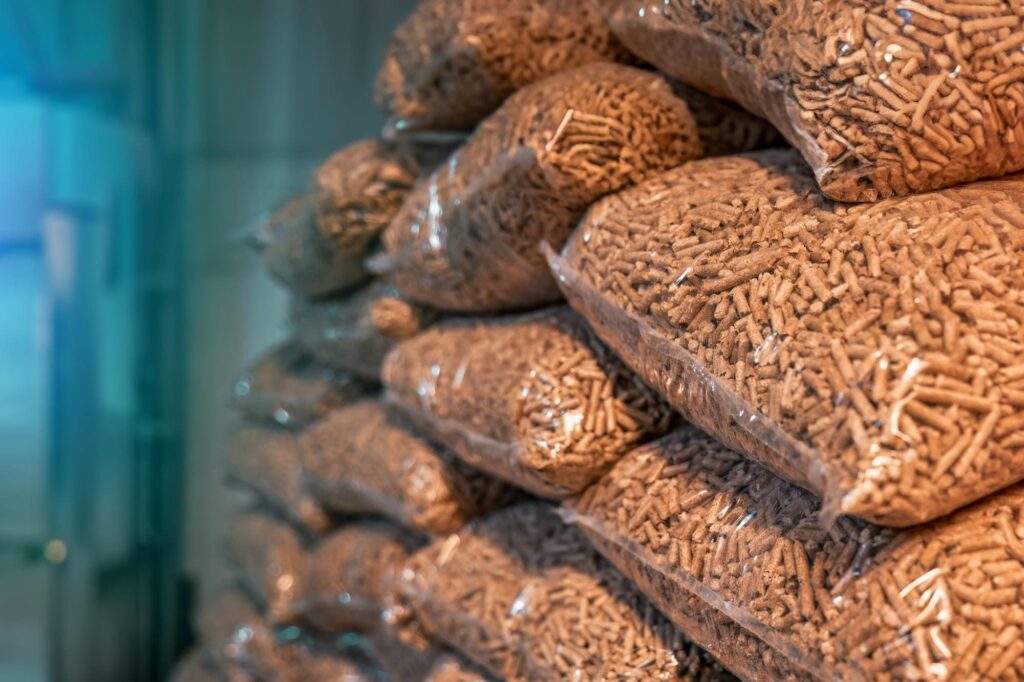
What specifically can the Russian feed market offer to foreign partners?
For importers and traders:
Competitive prices for raw material components. Oilseed cake, meal, and grain feed from Russia are cheaper than equivalents from South America or Europe — especially taking into account logistics to Asia. Sunflower and rapeseed cake, alfalfa, feed grain — all of this is available in industrial volumes.
Ready-made premixes and compound feed. Russian producers manufacture products for poultry, pigs, cattle, and aquaculture. Quality meets EAEU standards, and for supplies to a specific country, adaptation to local veterinary requirements is possible.
Niche products. Pet food — a segment where Russia already exports to Kyrgyzstan, Turkey, and other countries. Production is growing faster than consumption, and companies are looking for external sales markets.
For investors:
Localisation of additive production. Russia still imports approximately 80% of vitamins and enzymes from China. This creates a window of opportunity for those willing to build plants within the country. State support within the framework of the national project includes reimbursement of up to 20% of capital expenditures on the creation or modernisation of production facilities.
Joint ventures. Domestic companies are open to partnership with foreign players who possess technologies and expertise. Competencies in the production of probiotics, specialised enzymes, and feed for valuable fish species are in particular demand.
Logistics infrastructure. Consolidation warehouses, transshipment capacities at ports, cold chains for temperature-sensitive products — all of this requires investment and promises returns.
According to the National Feed Union’s assessment, the industry needs approximately 10 billion roubles of investment to reach its target self-sufficiency indicators. A portion of these funds may come from foreign partners.
Practical steps for beginning cooperation:
Supplier verification. The register of exporters is maintained in Rosselkhoznadzor’s «Cerberus» system. An enterprise included in the register has undergone a veterinary and sanitary inspection and meets the requirements of importing countries.
Coordination of veterinary certificates. Each country has its own set of documents. Rosselkhoznadzor publishes current forms on its official website.
Logistics. Main routes: by sea via Novorossiysk and Vladivostok, by rail via Kazakhstan and Mongolia to China, by road to CIS countries.
Market Development Prospects to 2030
What will the Russian feed market look like in a few years’ time? Forecasts are, of course, an unreliable thing, but the main trends are visible.
Production growth will continue. The National Feed Union expects annual compound feed output to increase by 2–3%. By 2027, the volume may exceed 40 million tonnes. The need for compound feed is estimated at 45 million tonnes, with installed plant capacity also at 45 million tonnes — meaning there is room for growth.
Import substitution will accelerate. The goals declared in the national project are ambitious: 85% self-sufficiency in amino acids, 45% in enzymes, 40% in vitamins by 2030. Even if the actual figures turn out to be more modest, the direction is clear — reducing dependence on imports.
Exports will become a priority. The government has set the task of exporting 15,000 tonnes of enzymes, food and feed additives by 2030. For comparison: currently, exports in individual categories are measured in hundreds of tonnes. The growth — is multiple times over.
China will remain the key partner. The expansion of the range of products permitted for import, the development of logistics corridors, growing demand in China — all of this works towards increasing deliveries. Probably, by the end of the decade, China will be purchasing from Russia not only raw materials, but also ready-made feed solutions.
Digitalisation and labelling. From October 2024, Russia introduced mandatory labelling of dry pet food. From March 2025, the requirement extended to wet pet food. This increases market transparency and simplifies quality control — which is important for exporters working with demanding buyers.
Industry consolidation. Small producers will cede positions to large players capable of investing in technology and certification. Mergers and acquisitions are possible, as is the arrival of foreign strategic investors.
Risks also exist. Rouble exchange rate volatility affects the cost of imported components. Geopolitical tension may limit access to certain markets. Weather anomalies affect grain harvests and, consequently, feed costs.
Nevertheless, the overall picture is more optimistic than not. Russia has the resources, production base, and political will to develop the feed industry. International buyers gain access to competitive products; investors — to a growing market with understandable rules of the game.
Feed additives are not the most visible part of the agro-industrial complex, but modern livestock farming is impossible without them. Russia is gradually transforming from an importer into an exporter of these products. For international partners, this means new opportunities: procurement at favourable prices, participation in investment projects, and entry into a promising market.
If you are considering cooperation with Russian producers of feed and feed additives — now is the right time to take the first steps. This is easy to do together with the G2R platform. Select the direction card «Feed Additives» with a detailed description of this product category. Submit an application with a detailed description and a personal manager will contact you for further discussion of the supply.