
Entering foreign markets — sounds large-scale and, perhaps, a little scary. Especially if your business has only worked within the country until now. Where to look for buyers? How not to lose money on the very first deal? What to do with documents, currency, logistics?
These questions stop many entrepreneurs. However, export to CIS countries and China is not a leap into the unknown, but a quite understandable next step for a business that wants to grow. The main thing is to prepare in advance and understand what challenges you may face.
In this article, we will analyze why CIS is the optimal starting point, how to enter the Chinese market, what risks need to be considered, and how a B2B platform can simplify the entire process: from finding a buyer to receiving payment.
Why Export to CIS Is a Logical Start for Russian Business
Kazakhstan, Belarus, Kyrgyzstan, Uzbekistan — these markets are often underestimated. And in vain. Building trade relations with these countries is easier than with far abroad. And here’s why.
A common language removes the main barrier in B2B sales — communication. You don’t need a translator for negotiations. You don’t need to adapt all documentation. The buyer reads your commercial offers without intermediaries.
The legislation of CIS countries is largely similar to Russian. This simplifies contract processing and reduces legal risks. You navigate the rules of the game because they are similar to those by which you already work.
Logistics is another argument. Delivery of goods to Almaty or Minsk takes days, not weeks. Less storage costs, fast turnover, understandable routes.
Demand for Russian goods in CIS is consistently high. Food products, equipment, building materials, chemical products — the range of in-demand categories is wide. At the same time, competition here is less fierce than on marketplaces within Russia.
Entering new CIS markets is an opportunity to increase sales and scale the business without radical restructuring. You use the same product, the same production capacities, but gain access to millions of new potential customers.
China as the Next Frontier: A Big Market with Big Opportunities
After a successful start in CIS, it makes sense to consider China. This is the largest importer in the world, and demand for Russian goods is growing here. Trade turnover between the countries has already exceeded 200 billion dollars, and this is not the limit.
What does China buy from Russia? Not only oil and gas. Food products — flour, vegetable oils, confectionery, honey. Agricultural raw materials — grain, flax, soybeans. Timber and lumber. Chemical products. Dietary supplements and natural cosmetics. Demand for these categories is consistently high and less subject to seasonal fluctuations.
However, China is a different level of complexity. Language barrier, specific certification system, peculiarities of doing business. Independent entry requires serious investments: registration on Chinese marketplaces like 1688 or Alibaba, content adaptation, promotion in Baidu, work with local partners.
However, there is an easier way. B2B platforms with representation in China take on localization: translation of product cards, adaptation of descriptions to Chinese search queries, communication with buyers. You place the product in Russian — the platform makes it visible to Chinese buyers.
Working through an intermediary in China solves another problem — trust. Chinese companies prefer to work with verified counterparties. The presence of a local office of the platform increases your reputation in the eyes of the buyer.
Financial settlements with China also have their own specifics. Payments in yuan, currency conversion, compliance with currency legislation of both countries. Platforms with experience working in this direction help optimize currency operations and reduce the risk of losses on exchange rate differences.
Main Risks When Entering New Markets

It would be unfair to talk only about advantages. Export is always a certain risk. Especially if you are taking your first steps without experience in foreign economic activity. Let’s analyze what can go wrong.
Unscrupulous buyer. This is perhaps the main fear. You shipped the goods, but payment did not arrive. Or arrived partially. Or the buyer disappeared after receiving the batch. Without verification of the counterparty, such a scenario is quite real. Especially if you found a partner through random channels — forums, social networks, cold inquiries.
Pricing errors. In the domestic market, you know what price to set. And how to determine the cost for export? You need to consider logistics, customs payments, platform commission, exchange rate. If you don’t calculate everything in advance, instead of profit you can get losses.
Currency risks. The exchange rate changes. Sometimes — sharply. If the contract is in dollars, yuan, or tenge, and the settlement is in a month, currency fluctuations can eat up your margin. This can lead to a situation where a deal that seemed profitable becomes unprofitable. Especially relevant for China, where settlements often go with a delay.
Cash gap. You purchased raw materials, produced goods, sent to the buyer. Payment will arrive in 30–60 days. But salaries, rent, taxes need to be paid now. Without financial planning, export can create serious liquidity problems.
Documentation problems. An incorrectly executed invoice, an error in the declaration, the absence of the required certificate — and your goods are stuck at customs. Every day of downtime is additional costs and reputational losses. For China, document requirements are especially strict: GACC for food products, CFDA for cosmetics, CCC for equipment.
Legal risks. A contract without clear terms of cooperation is an invitation to disputes. Who is responsible for cargo damage? What happens when goods are returned? What are the sanctions for non-payment? If this is not spelled out, proceedings can drag on for months.
Risks can be reduced. But for this, you need to understand how export works and choose the right sales channels.
How to Find Reliable Buyers and Not Lose Money
Finding a buyer is half the success in export. The other half is making sure that this buyer is reliable. How to do this?
Counterparty verification. Before signing a contract, check the company. How many years has it been on the market? What is its turnover? Are there any legal proceedings? Does it work with other Russian suppliers? This information can be obtained from open registries, but it takes time and requires knowledge of local legislation. For Chinese companies, verification is even more difficult — you need to be able to read documents in Chinese and understand local specifics.
Specialized B2B platforms conduct verification for you. Companies registered on the marketplace have already been verified. You see their rating, transaction history, reviews from other sellers. This reduces the likelihood of running into a fraudster.
Deal guarantor. The ideal option is when there is an intermediary between you and the buyer who controls the fulfillment of obligations. The platform acts as a guarantor: the buyer makes a payment, you ship the goods, after confirmation of receipt the money is transferred to you. A safe transaction without the risk of non-payment.
Solvency. Even an honest buyer can find themselves in a difficult financial situation. Monitoring the partner’s solvency is a reasonable practice. On marketplaces, this information is partially open: you see the company’s activity, purchase volume, order regularity.
Company reputation. Reviews are your friend. If the buyer has worked with other suppliers, their experience will tell you what to expect. Does he delay payments? Is he demanding about product quality? Is it easy to negotiate with him?
Where to look for verified buyers from CIS and China? Cold calls and mailings work, but conversion is low. Exhibitions are an excellent channel, but expensive and irregular. A B2B marketplace provides a constant flow of incoming requests from companies that are already looking for your goods.
Seller protection on such platforms includes not only verification, but also legal support, assistance in dispute resolution, transaction insurance. This is not a guarantee against all problems, but a significant reduction in risks.
Documentation for Export: What to Prepare in Advance
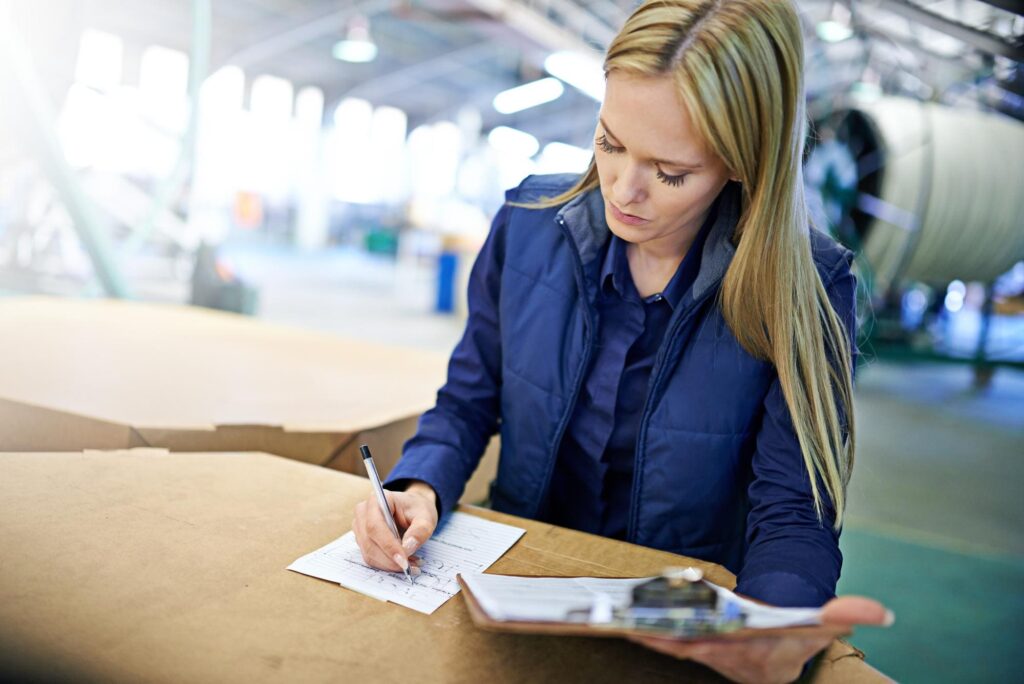
Paperwork is not the most exciting part of export. But you can’t do without it. Good news: for CIS, document flow is simpler than for far abroad. For China, there are more requirements, but they are also solvable.
The basic package of documents for an export transaction includes:
Foreign trade contract with clear terms of delivery, payment, and liability of the parties
Invoice with a description of the goods, quantity, price
Packing list with cargo details
Transport documents (CMR, railway bill, bill of lading — depending on the delivery method)
Declaration of goods for customs clearance
Product certification. Is it needed? Depends on the category and country of destination. For CIS, requirements are moderate. For China — stricter. Food products require registration with GACC (General Administration of Customs of China). Cosmetics — CFDA permission. Equipment — CCC certificate. Without these documents, goods will not pass Chinese customs.
How long does preparation take? For CIS, if you already have all the certificates and experience in processing — a few days. For China — from a month to three, depending on the category of goods. Certification of some items may take even longer.
Can document flow be delegated? Yes. Export support services take on document preparation, interaction with customs, compliance verification. This is an expense, but it pays off with time savings and the absence of errors.
B2B platforms often have built-in document assistance. A personal manager tells you what needs to be prepared, checks completeness, helps correct shortcomings before shipping the cargo. For work with China, this is especially valuable — the platform knows the current requirements and monitors changes in import policy.
How Buyers from CIS and China Will Find Exactly You
Let’s say you are ready for export. Documents are in order, goods are available, price is competitive. But how will buyers from Kazakhstan, Uzbekistan, or Guangzhou learn about you?
Cold sales — long and expensive. Advertising in a foreign country — even more expensive if you don’t know local specifics. Exhibitions — more effective, but require serious investments.
A B2B marketplace solves the visibility problem. When a buyer from Almaty is looking for a supplier of building materials, he doesn’t go to Yandex, but to a specialized platform. A Chinese importer uses Baidu or internal catalogs. If your goods are presented on a marketplace with a presence in these regions — you are in the buyer’s field of vision.
Indexing in search engines. Good B2B platforms optimize product cards for search engines — for Yandex, Google, and Baidu. This means that even if the buyer is searching through a search engine, they can find your products. SEO for export works when the card is filled out correctly: detailed description, technical specifications, quality photos.
Content localization. Your brand should speak the buyer’s language. Russian is enough for CIS. For China, you need a quality translation into Chinese — not machine, but adapted to local queries. Platforms with experience in these markets know what terms buyers use and help form the right cards. Recognition of your brand grows when the description sounds natural to the target audience.
The target audience is already here. The main advantage of a marketplace over other channels is the concentration of buyers. You don’t need to spend a budget on advertising to attract attention. Buyers come themselves because the platform is their familiar tool for finding suppliers.
To stand out among competitors on the marketplace, it’s not enough to just place the product. You need to monitor the quality of cards, respond to requests quickly, maintain a high rating. Your own brand with a good reputation on the platform attracts more requests. But this is already working for results, not fighting for attention.
Turnkey Deal Support: How It Works
Now more details about what the process of working with an export B2B platform looks like. Let’s analyze the full transaction cycle — from registration to receiving money.
Step 1. Registration on the platform. This usually takes 10–15 minutes. You provide company data, upload constituent documents, pass verification. After verification, you get access to your personal account.
Step 2. Product placement. You create cards: name, description, specifications, photos, price. The more detailed — the better. Some platforms help with design: edit texts, take professional photos, adapt content for the target market. For China — translate into Chinese taking into account specifics.
Step 3. Incoming requests. Buyers find your goods through the catalog or search. They send a request indicating volume, deadlines, delivery terms. You see information about the buyer company and make a decision — to work or not.
Step 4. Negotiations and agreement. Communication goes through the platform. You discuss details: exact assortment, volume discounts, delivery method, payment terms. The platform helps with translation — especially important for Chinese buyers. AI translation in chats allows you to communicate without a language barrier.
Step 5. Contract execution. When the terms are agreed upon, a contract is formed. The platform provides templates adapted to the legislation of a specific country. Legal support reduces the risk of errors.
Step 6. Payment and shipment. The buyer makes a payment. You ship the goods. After confirmation of receipt (or after the expiration of the agreed period), the money is transferred to your account. The marketplace commission is withheld automatically. The platform helps with currency operations — conversion of yuan or dollars into rubles at a favorable rate.
Step 7. Logistics. Many platforms offer integrated logistics services. You can organize delivery yourself or use marketplace partners. For China, this is especially relevant — logistics to Guangzhou or Shanghai is easier to plan through proven carriers with experience in this direction.
A personal manager accompanies you at all stages. Answers questions, helps solve problems, gives recommendations for increasing sales. This is not automated support, but a live person who is interested in your success.
How long does it take to reach the first deal? For CIS — from two weeks to a month. For China — possibly a little longer due to the specifics of certification. Depends on the category of goods, document readiness, and activity on the platform.
Frequently Asked Questions from Beginner Exporters
From what volume can you start exporting?
There are no strict requirements. On marketplaces, you can work with small batches — from one container or even less. This allows you to test demand without large investments. For China, minimum volumes may be higher due to logistics costs, but this is also solvable.
What goods are currently in demand in CIS and China?
In CIS, there is consistently high demand for food products, building materials, industrial equipment, chemical products, spare parts. In China — flour, vegetable oils, confectionery, honey, timber, natural cosmetics, dietary supplements. Everyday consumer goods are less subject to seasonal fluctuations. Analyze what your competitors are already exporting — this will give a reference point.
Is it possible to work without experience in foreign economic activity?
Yes. Platforms with full support take on most of the work: documents, negotiations, logistics. Your task is to produce quality goods and ship on time. The rest is delegated.
How to track export efficiency?
Monitor key indicators: conversion of requests to deals, average check, marginality taking into account all expenses, turnover speed. Platforms usually provide analytics in your personal account. Regular analysis helps analyze results, optimize work, and increase income. Tracking sales dynamics across different directions will show where to focus efforts.
Export to CIS and China is not an adventure, but a tool for doing business at a new level. Risks exist, but they are manageable. Financial challenges are solvable with proper planning. And finding buyers becomes more effective when you work through proven channels.
It is worth considering export not as future plans, but as a specific next step. CIS markets are open for a quick start. China — for those who are ready to go further. Demand exists, tools are available. It remains to start.